Beyond Boundaries: Building a Neuroengineering Community Across Medicine, Engineering and Life Sciences

The sensor delivers short light pulses that generate ultrasound waves within the blood. These signals reveal changes in arterial diameter, which are converted into blood pressure estimates following individual calibration. A single detector captures measurements 100 times per second, while laboratory tests showed tolerance to changes in sensor position and angle. In two volunteers, 120 brief recordings collected over three months showed agreement with a reference finger-cuff monitor. The prototype remains connected to tabletop equipment, and testing was conducted while participants remained still.
A team of researchers from the Technion Viterbi Faculty of Electrical and Computer Engineering, led by Prof. Amir Rosenthal and Dr. Danny Lange, developed a miniature sensor that brings continuous, cuffless blood pressure monitoring a step closer. The study carried out by the graduate students Gil Gelbert, Ron Moisseev, Yoav Hazan and Tamar Harary, describes the combined use of laser light with tiny silicon-photonics acoustic detectors to track an artery’s pulsations near the wrist. Initial tests demonstrate the approach’s potential to capture blood pressure changes without an inflatable cuff used in almost all setting to measure blood pressure.
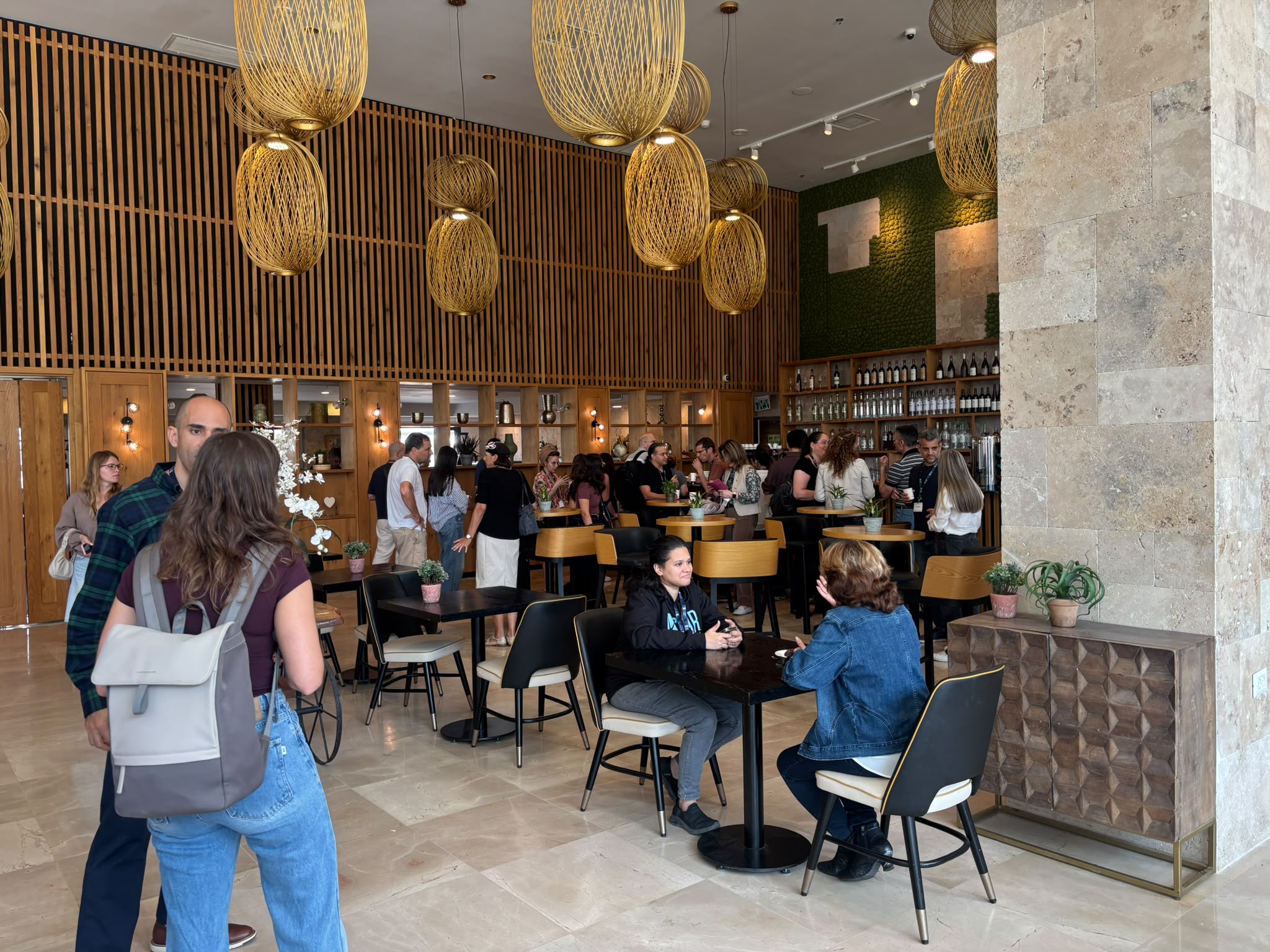
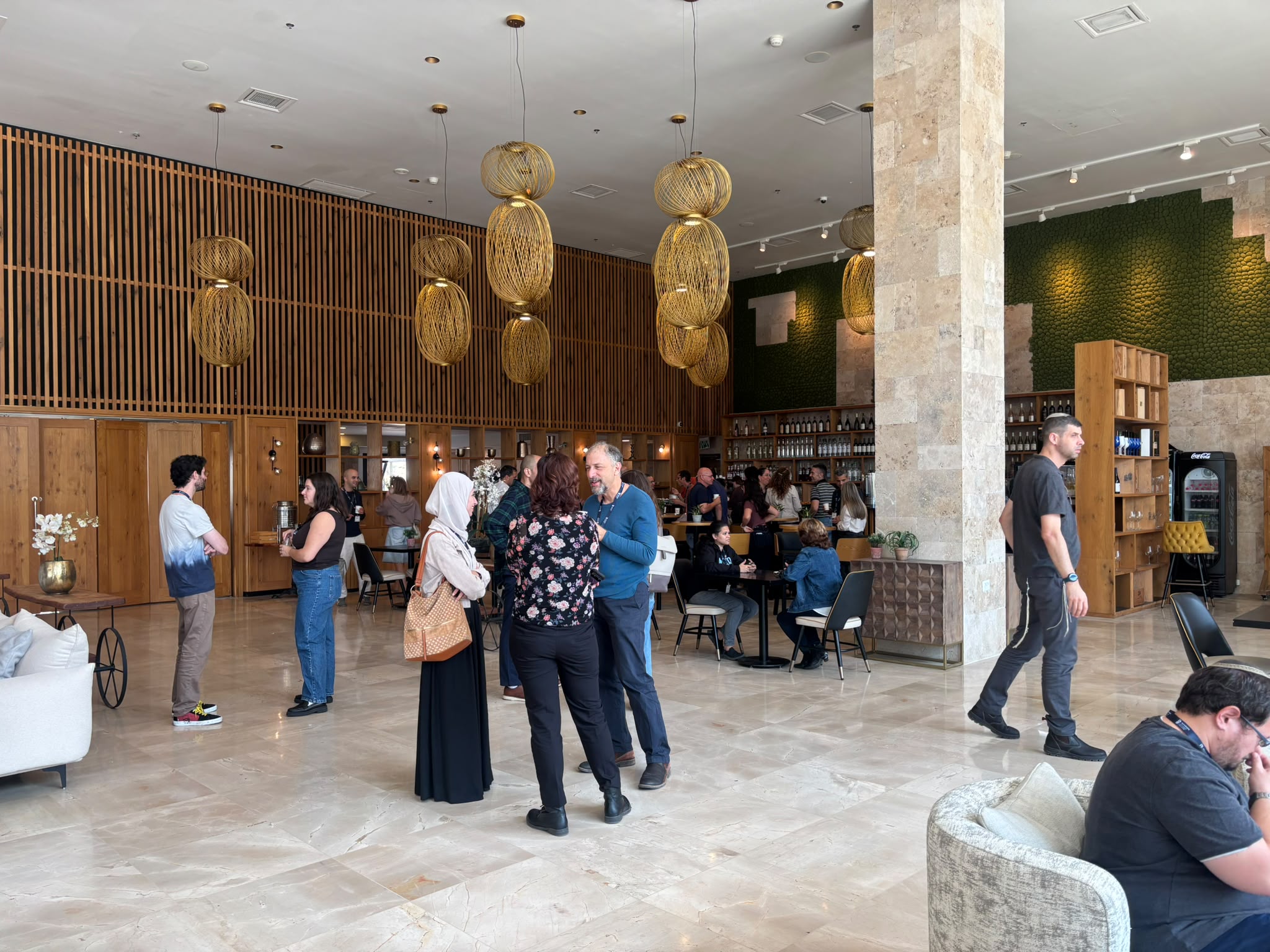
Beyond the scientific sessions, the retreat created opportunities for networking, brainstorming, and team formation. New connections were established across disciplines, generating momentum for future collaborative projects and research initiatives that bridge traditional institutional and disciplinary boundaries.
As part of the Human Health Initiative, we invite all participants, as well as researchers and clinicians who were unable to attend, to join and help shape this emerging Neuroengineering community. The complex challenges of brain and nervous system disorders demand sustained collaboration between clinicians, engineers, neuroscientists, data scientists, and life scientists.
We encourage researchers, healthcare professionals, students, and trainees to engage in future community activities, propose new collaborative projects, and contribute ideas that can be translated into impactful research and improved patient care. Together, we can build a thriving neuroengineering ecosystem that accelerates innovation and advances human health.
Interested in becoming part of the Neuroengineering Community? We welcome expressions of interest from researchers, clinicians, students, and trainees who wish to participate in future networking events, workshops, collaborative research projects, and community-building activities.