


News

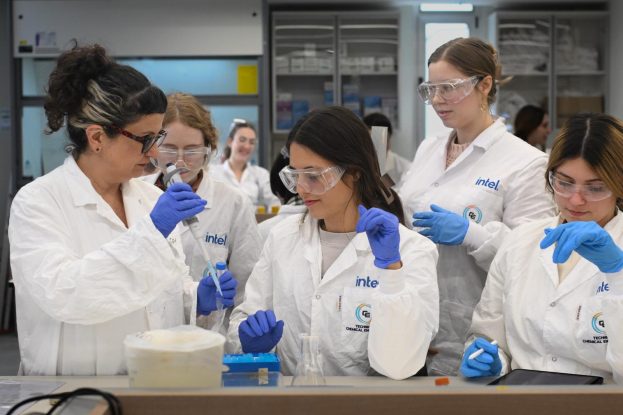
In August 2025, the Technion inaugurated the Technion Teaching BioEngLab Complex (TTBC) in the Malat Building – an advanced, three floor laboratory hub designed to elevate practical education in life sciences and engineering
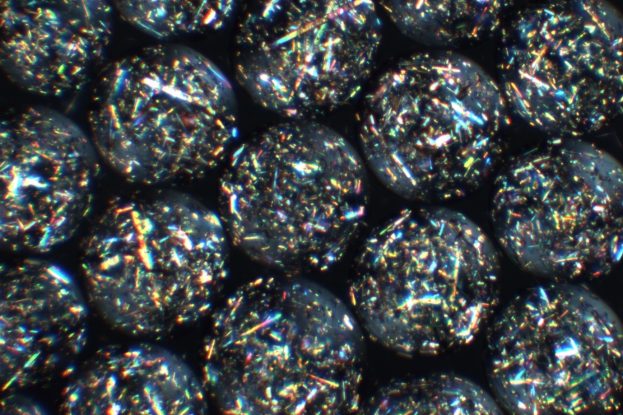
A collaborative study led by investigators from the Technion, MIT and Johns Hopkins University reports a new strategy to improve the survival of transplanted therapeutic cells by combining immuno-isolation devices with a slow-release antifibrotic drug engineered in crystal form
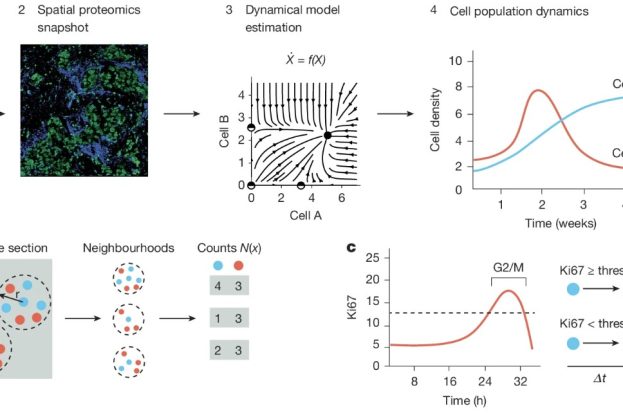
A new study introduces One-Shot tissue Dynamics Reconstruction (OSDR), a computational framework that infers cell population dynamics from a single spatial biopsy
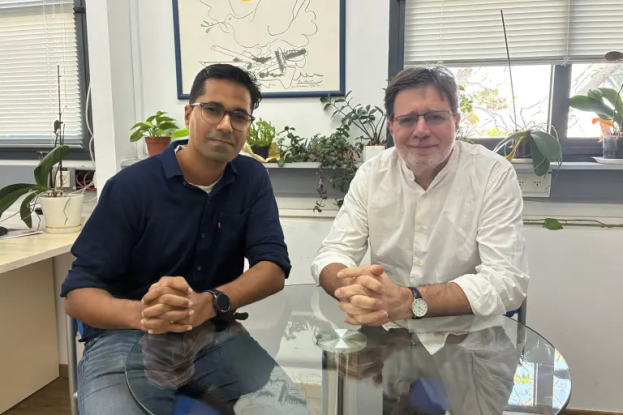
A new study identifies a previously unrecognized way that cells may protect themselves from toxic proteins linked to Alzheimer’s disease
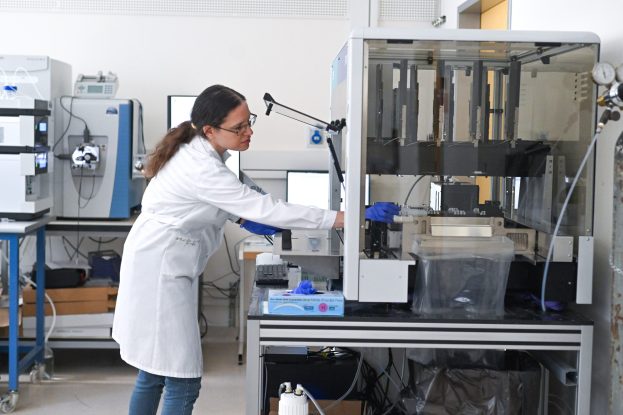
Israel Launches Six National Data Repositories with an Investment of 44 Million NIS to Accelerate Breakthroughs in Medicine and Agriculture – Israel Innovation Authority. The Smoler Proteomics Center at the Technion is part of this initiative.
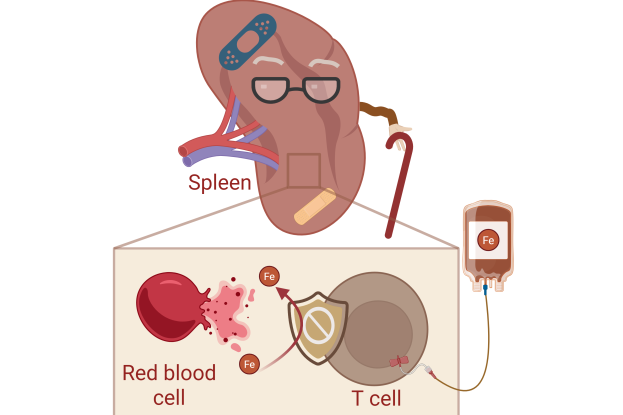
A new study sheds new light on why the immune system weakens with age, identifying the spleen as a surprising source of T cell dysfunction
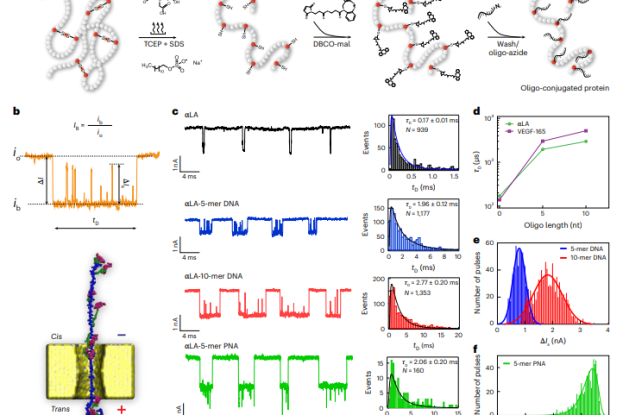
Technion investigators develop a novel method using DNA tags and machine learning to slow, capture, and classify single, full-length proteins with near-perfect accuracy.
A new era for brain imaging begins
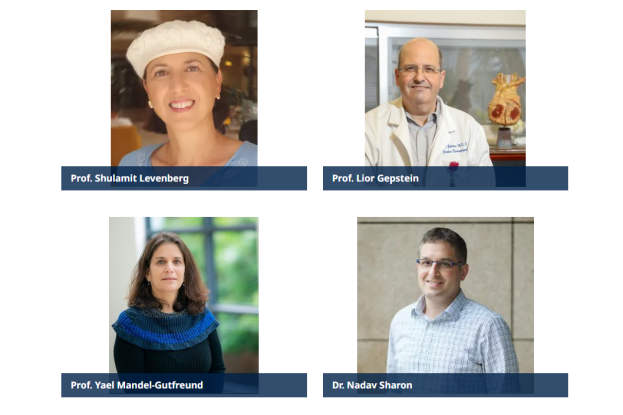
The Israel Science Foundation’s Mavri program, which focuses on biomedical research and supports studies directly related to human health, has awarded four Technion researchers a total of 5.75 million NIS for two collaborative projects.
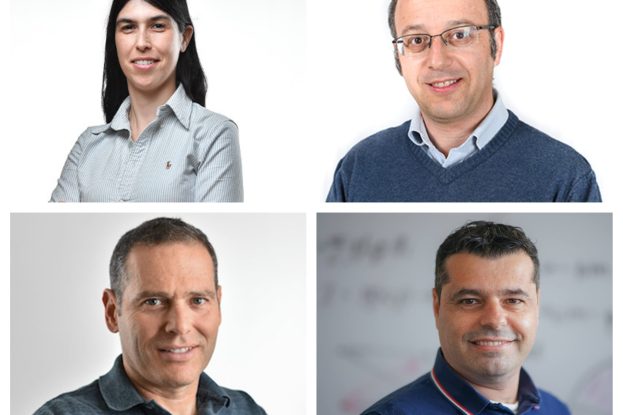
This year’s winners are Professors Yael Yaniv, Moti Freiman, Yonatan Savir, and Ron Kimmel
A wearable technology developed by Technion Professor Hossam Haick and colleagues in China enables real-time, non-invasive tracking and optimized treatment for diabetic patients
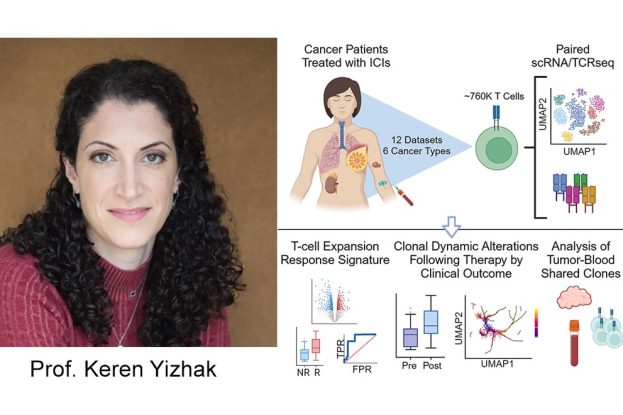
Researchers from the Ruth and Bruce Rappaport Faculty of Medicine have identified a genetic “fingerprint” that helps predict the effectiveness of immunotherapy treatments
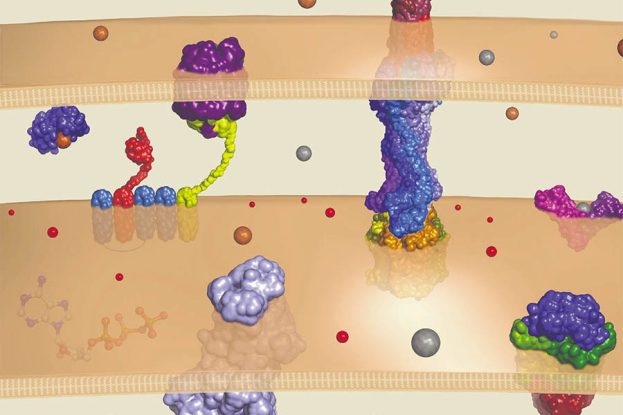
A recent study by a team of Technion Researchers unveiled how bacteria meticulously manage the machineries responsible for importing nutrients essential for their survival

A collaborative project of investigators from McGill University, Rambam Health Campus and the Technion provides compelling evidence that gut microbiota may play a causal role in fibromyalgia. Moreover, a pilot clinical trial involving women with severe, refractory fibromyalgia suggests that targeting the gut microbiome might provide a novel therapeutic approach.

A project led by Prof. Yael Yaniv from the Technion Faculty of Biomedical Engineering led to the development of a novel AI tool specifically designed to analyze real-world ECG images and provide physicians with essential information on the underlying basis of AI-based diagnoses.

A team led by the postdoctoral fellow Dr. Sohini Pal and headed by Prof. Amit Meller from the Technion Faculty of Biomedical Engineering developed a novel method using solid-state nanopores and machine learning to directly identify and count mitochondrial DNA molecules without the need for amplification, offering a potentially more accurate and accessible tool for studying diseases linked to mitochondrial dysfunction, such as cancer and neurodegenerative disorders.

Researchers at the Faculty of Biology have discovered a unique genetic mechanism that provides cells with rapid and efficient protection against viruses. The findings could lead to the development of new therapeutic strategies.

A new national Center for Multiomics will be established at the Technion, in collaboration with Ben Gurion University (BGU) and the University of Haifa. The Center, initiated by the Technion Sustainability and Human Health Research Fronts, and made possible by a large grant from the Council for Higher Education and the Planning & Budgeting Committee, will provide a one-stop shop for Multiomic analyses – an initial point of contact, expert consultation on study design, sample storage and preparation, sample analyses, data integration, bioinformatics, statistical analyses, data summaries, assistance with publication, and readily accessible data repositories. It is thus expected to vault progress in a vast array of crucially important disciplines.

On April 18, 2024, the Technion approved the construction of a new facility for hands on teaching in the domains of Life Science and Engineering

Technion researchers develop new approach for imaging through partially opaque, thick tissue and demonstrate its ability to capture detailed images of neurons (nerve cells) covered by a thick layer of muscle tissue

Major neurodegenerative diseases involve the formation of protein aggregates, suspected to drive damage and cell death. A recent study provides new evidence that the aggregates formed in Huntington’s disease can actually help neurons to cope with the potential damage toxic proteins evoke and delay cell death .
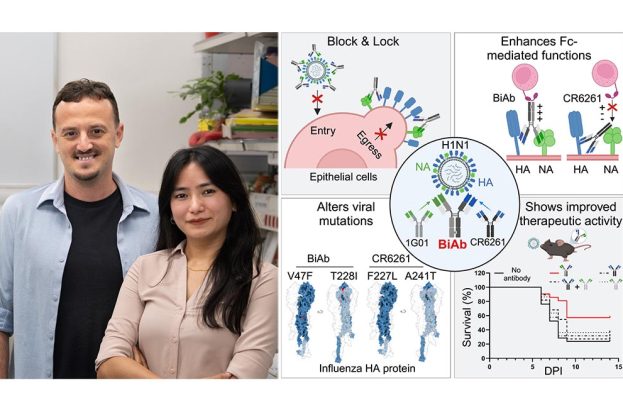
A new study led by investigators from the Rappaport Faculty of Medicine offers an alternative therapeutic strategy for controlling flu infections using a novel bispecific antibody that simultaneously targets the two key proteins of the influenza virus.
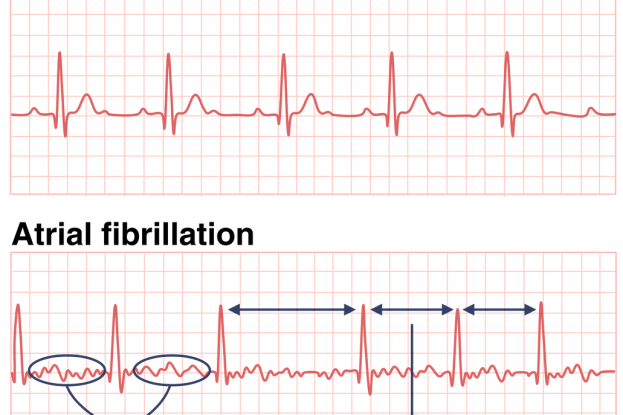
Technion Researchers have developed a new artificial intelligence model that significantly improves the detection of irregular heartbeats in heart recordings
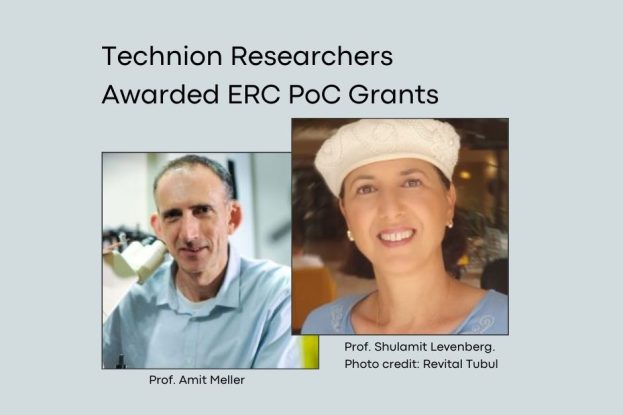
The European Research Council (ERC) has announced the recipients of 100 new Proof-of-Concept (PoC) grants in the first round of the 2024 competition. Among the awardees are Professors Shulamit Levenberg and Amit Meller from the Faculty of Biomedical Engineering.
Research at the Technion demonstrated that activation of the brain’s reward system can boost recovery from a heart attack.
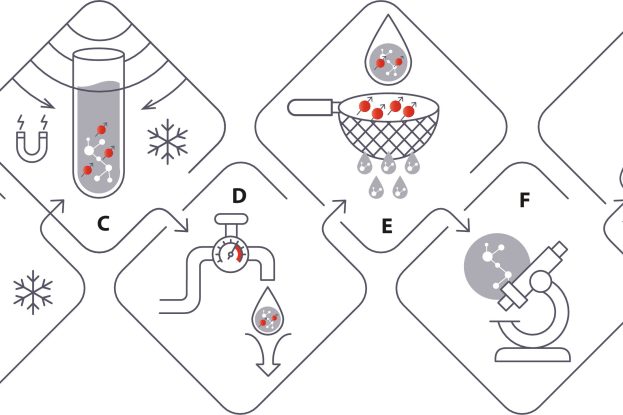
Magnetic resonance imaging (MRI) is a mainstream noninvasive medical imaging modality of enormous clinical importance. Unfortunately, conventional MRI is generally unable to detect metabolites that are important clinical markers of pathological states such as cancer. A recent study led by Prof. Aharon Blank from the Schulich Faculty of Chemistry describes a new method to boost the nuclear magnetic resonance signal of metabolites.
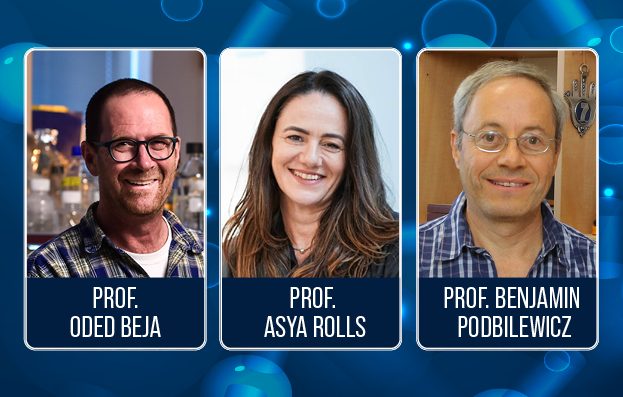
Three Technion scientists elected to EMBO Membership
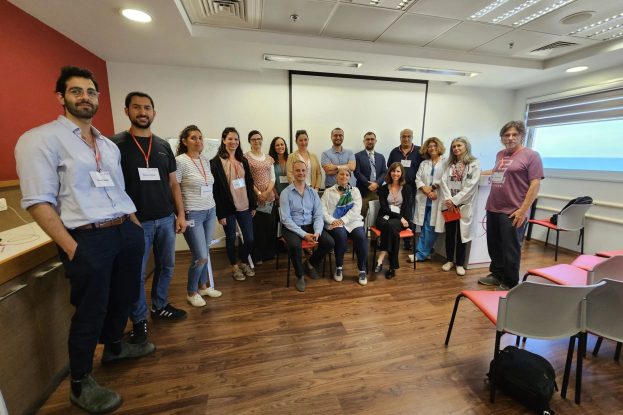
A new course for medical doctors and healthcare professionals was started which aims to introduce the foundational principles of Machine Learning and Artificial Intelligence (ML/AI) and their applications in healthcare and natural sciences to healthcare professionals.
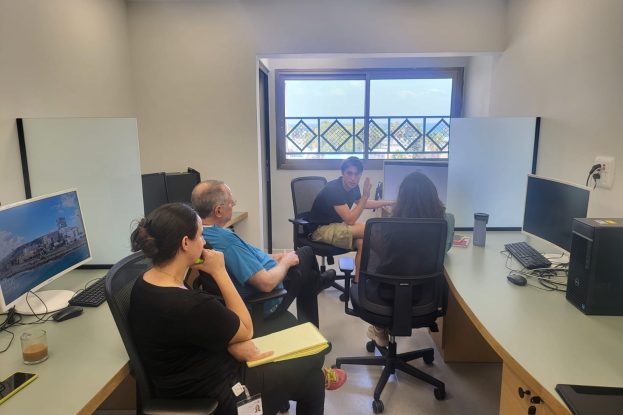
A dedicated space for collaborative research in medical AI between the Technion and Rambam was just inaugurated
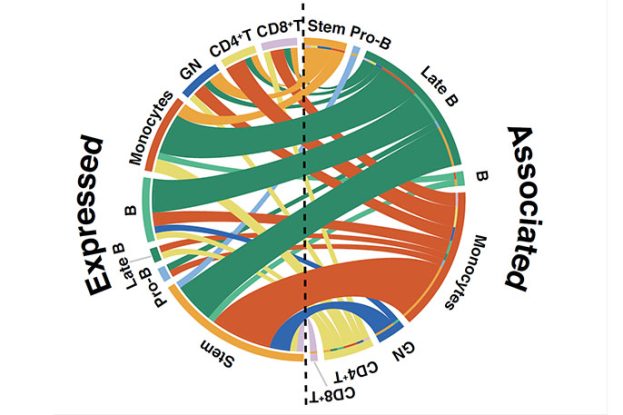
A new study by Technion investigators uncovered an important evolutionary principle that allows the immune system to continually adapt and evolve through genetic variation. The findings, published on June 12, 2024 in Nature, show that genes involved in the interactions between different immune cell types play a crucial role in underlying the “evolvability” of the immune system. The study was led by Professor Shai Shen-Orr, Dr. Tania Dubovik, and postdoctoral fellow Dr. Martin Lukačišin from the Ruth and Bruce Rappaport Faculty of Medicine, in collaboration with Rambam Health Care Campus and Carnegie Mellon University.
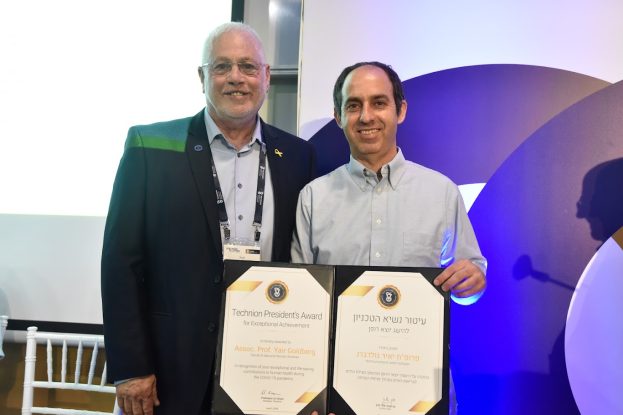
Prof. Yair Goldberg, a faculty member in the Faculty of Data and Decision Sciences, received the Technion President’s Award for Outstanding Achievement this week for his exceptional contribution to human health, particularly during the COVID-19 pandemic. He was awarded the honor for his thorough work and its impact on human health in Israel and worldwide.
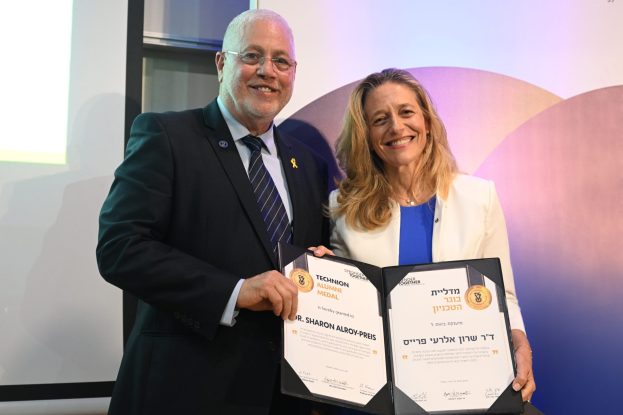
Technion President Prof. Uri Sivan awarded the prestigious Technion Alumni Medal to Dr. Sharon Alroy-Preis, head of public health services at the Israeli Ministry of Health and a distinguished graduate of the Rappaport Faculty of Medicine. The medal was awarded to her “in recognition of her influential work for public health in Israel; in appreciation of her vital role in the fight against the COVID-19 pandemic; and in gratitude for being a role model for Technion students and alumni through her exceptional achievements in the field of medicine.”
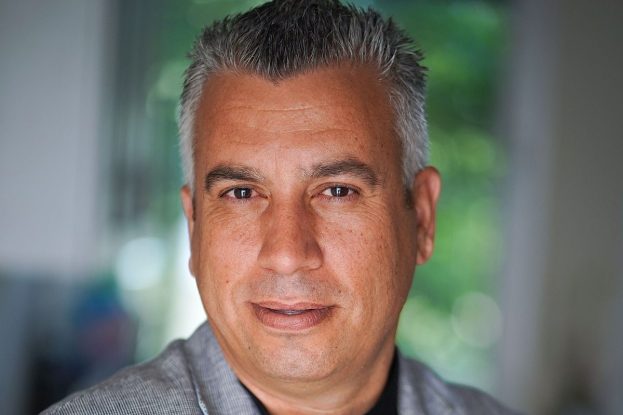
The Israel Academy of Sciences and Humanities, the foremost body in Israel’s scientific community, elected eight new members yesterday, including two Technion researchers: Prof. Ashraf Brik from the Schulich Faculty of Chemistry and Prof. Michael (Miki) Elad from the Taub Faculty of Computer Science. They will join the Academy during a festive ceremony in December 2024. With the addition of Prof. Brik and Prof. Elad, the Academy will have 154 members.
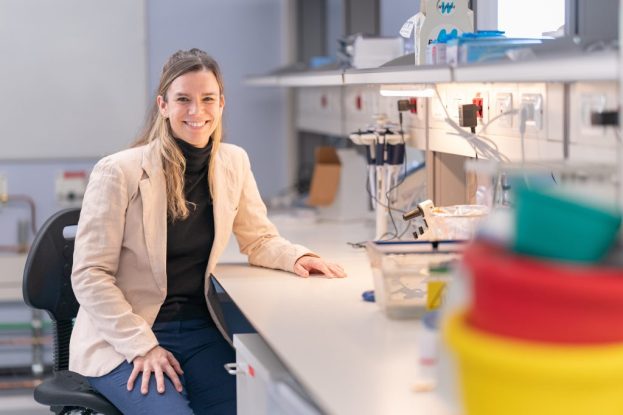
Dr. Katrien Vandoorne from the Faculty of Biomedical Engineering developed a new method that allows tracking the formation of immune blood cells in the bone marrow. For this, she used tiny magnetic iron oxide particles, which she tracked using various imaging techniques including in vivo MRI. Read more (Hebrew)
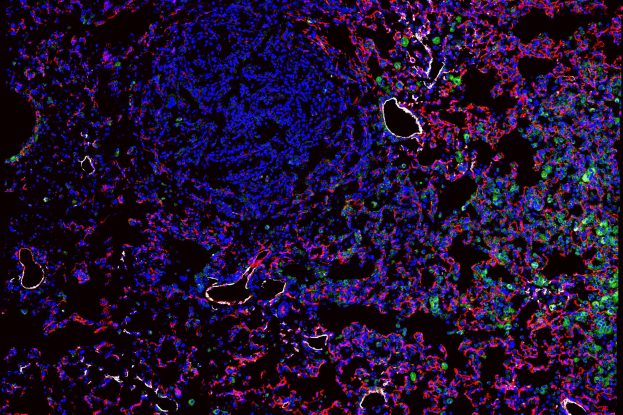
German-Israeli Research: How to Block Cancerous Proteins? | As part of a joint international study, funded by a prestigous German-Israeli Project Cooperation (DIP) grant, three scientists from the Technion and their colleagues in Germany will investigate the molecular mechanisms that stabilize oncoproteins in cancer.
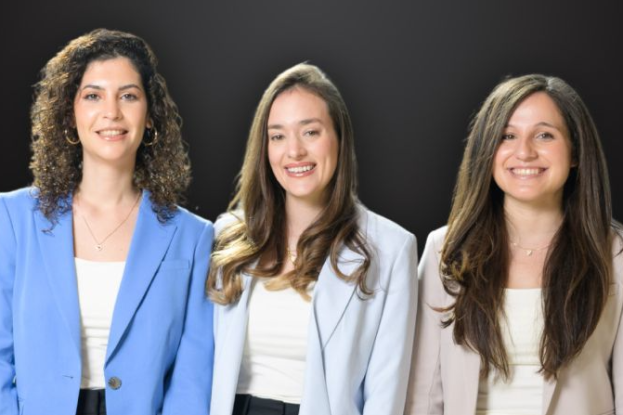
Dr. Carni Ilan, Shani Klein and Gal Yanuka | Developed a new technology in the field of breast cancer diagnosis, backed by a registered patent, and established a startup in the summer of 2022. The startup was established to diagnose breast cancer at an early stage by introducing home screening tests that integrate wearable technology supported by artificial intelligence.
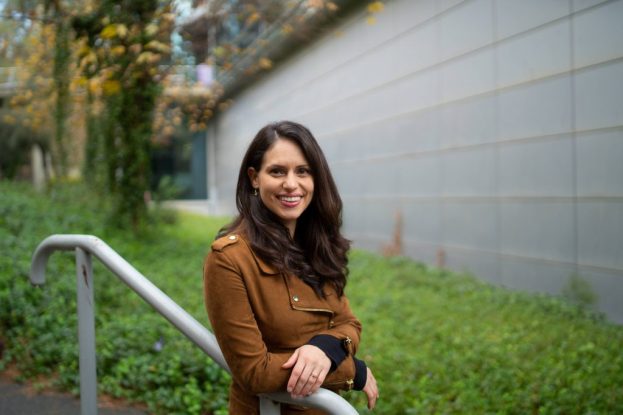
Dr. Ariel Fischer, head of the Biomechanics and Wearable Devices Lab at the Technion, described at the Calcalist and Leumi “Leading Israel” conference how wearable devices can assist both those with limb injuries and elite athletes. Her research combines biomechanics, rehabilitation and sports to develop personalized wearable technologies that optimize movement and prevent injuries.
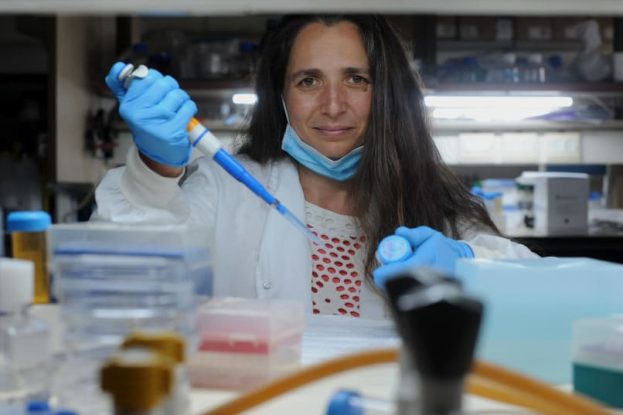
Researchers at the Technion’s Rappaport Faculty of Medicine found that gut bacteria alter their behavior in response to inflammatory bowel diseases via a DNA inversion mechanism. This allows the bacteria to swap between different functional gene repertoires, essentially reprogramming themselves to adapt to inflammatory conditions in the gut. The findings suggest gut bacteria play an active role in regulating immune responses during disease through genome remodeling.
Technion Researchers Awarded Human Health-related ERC Advanced Grants | Prof. Michael Glickman and Prof. Jackie Schiller were awarded ERC Advanced Grants – prestigious grants from the European Union’s Horizon Europe program given to leading established researchers who have achieved outstanding results in the last decade.
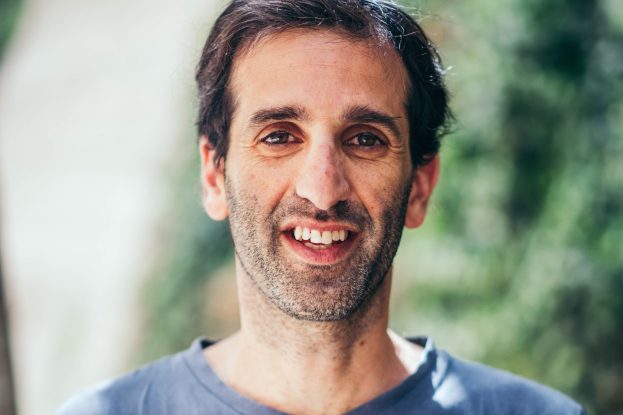
New Molecular Discoveries Regarding Preeclampsia – In a Joint Study by Scientists from Two Faculties at the Technion | Preeclampsia is a life-threatening multi-system disorder and one of the leading causes of maternal and fetal mortality. Its global prevalence is around 5% of pregnancies.
In a collaborative study between the Rappaport Faculty of Medicine and the Faculty of Biology at the Technion, researchers made new molecular discoveries that could lead to better prediction, diagnosis and treatment of this serious pregnancy complication. Their findings, published in the Journal of Clinical Investigation, identify novel biomarkers and provide insights into the molecular mechanisms underlying preeclampsia development and progression.
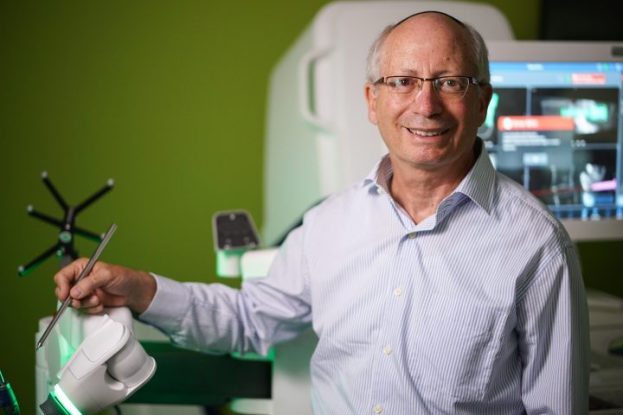
Forsight Robotics Demonstrated Robotic Eye Surgery | The robot is 10 times more precise than a human surgeon. The technology was presented to President Herzog.
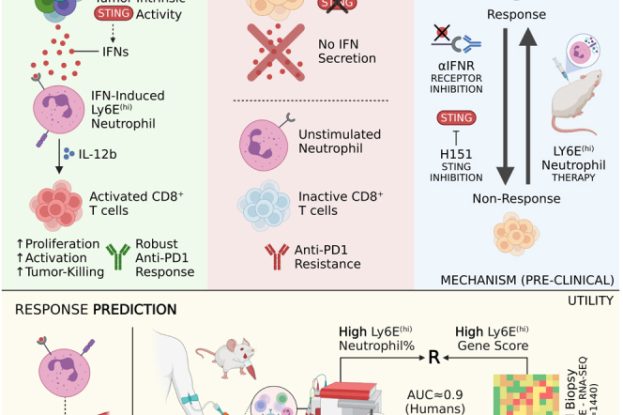
Interferon-stimulated neutrophils as a predictor of immunotherapy response | A study lead by Prof. Yuval Shaked of the Rappaport Faculty of Medicine identified a promising new biomarker that could significantly improve the ability to predict whether cancer patients will respond to immunotherapy treatment. After a four-year investigation combining computational analysis, mouse models, and patient validation, the team discovered that levels of a specific type of white blood cell correlate strongly with immunotherapy effectiveness. Their studies showed …
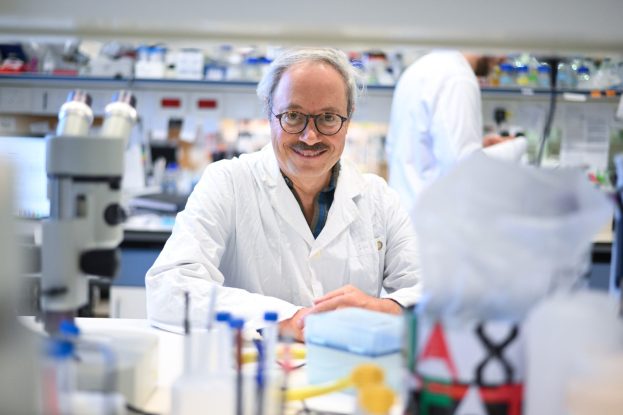
The fusion of mammalian gametes requires the interaction between IZUMO1 on the sperm and JUNO on the oocyte. The group of Benjamin Podbilewicz of the Faculty of Biology has recently shown that ectopic expression of mouse IZUMO1 induces cell-cell fusion and that sperm can fuse to fibroblasts expressing JUNO. In this study, the group showed that the incubation of mouse sperm with hamster fibroblasts or human epithelial cells in culture induces the fusion between these somatic cells and the formation of syncytia, a pattern previously observed with some animal viruses…
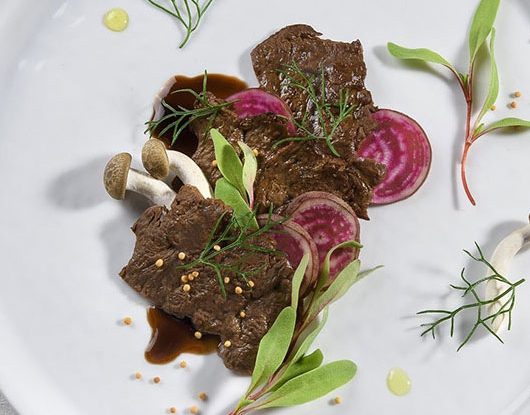
Health Ministry grants unprecedented approval to Aleph Farms culture beef after US, Singapore give nod to cultured chicken products; ‘turning point for the Israeli and global food system’
Yuval Mann | 01.17.24 | 15:47
Image Credit: Reserved to Aleph Farms and Prof. Shulamit Levenberg Lab
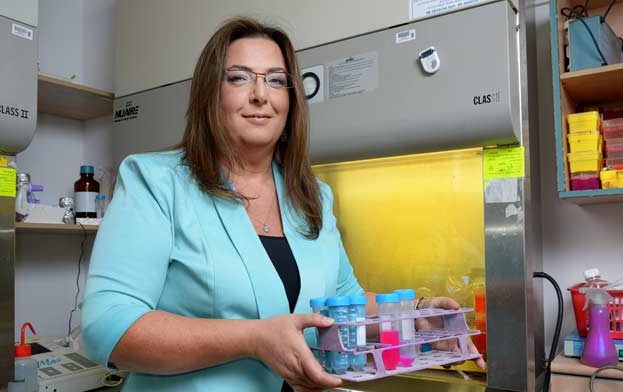
Cultivated meat (previously and still often referred to as cell-based meat, cell-cultured meat or lab-grown meat) is the next big thing in the food industry. Cellular agriculture is set to make the vision of ‘animal products without animals’ possible and to replace conventional meat. A FAIRR report named 2021 as ‘the year of cultivated meat’, highly surpassing previous year’s investments in the cultivated business scene.